
Trade fairs in China: organising a booth, staff and business meetings
A successful trade fair starts with clear business goals, not just attractive booth design.
A company can spend heavily on a striking exhibition stand in China and still return home with little to show for it. The visitors may have admired the design, but were the right buyers there? Could staff answer questions in Chinese? Were meetings arranged, samples ready and follow-up responsibilities clear?
MYRON TRADE has organised participation in exhibitions and business events in Shanghai, Beijing, Guangzhou and other Chinese cities. Our experience includes a Russian pavilion at FHC in 2017, an industry event in Beijing involving several companies and work connected with the ChinaJoy exhibition in Shanghai. Different sectors require different approaches, but the stand should always serve a defined business goal.
Decide what success means before booking space
Are you looking for distributors, presenting a new product, meeting existing partners or entering a new industry? The answer affects the stand location, team size, demonstrations and meeting schedule.
For buyers and distributors, prearranged appointments can be more valuable than high visitor traffic. For industrial products, discuss sample transport, power supply and safety. Food exhibitors may require storage, tastings and arrangements that are entirely different from those of a software company.
What turnkey exhibition support can cover
Depending on the assignment, MYRON TRADE helps select and reserve exhibition space, design and build a branded stand, organise equipment, catering, personnel and professional interpreters. We can also arrange meetings with businesses that the client considers important.
“Turnkey” still needs a detailed scope. State which services are included, which costs are passed through, who signs off designs and who coordinates local contractors. Surprises are easier to prevent when each responsibility is visible in the budget.
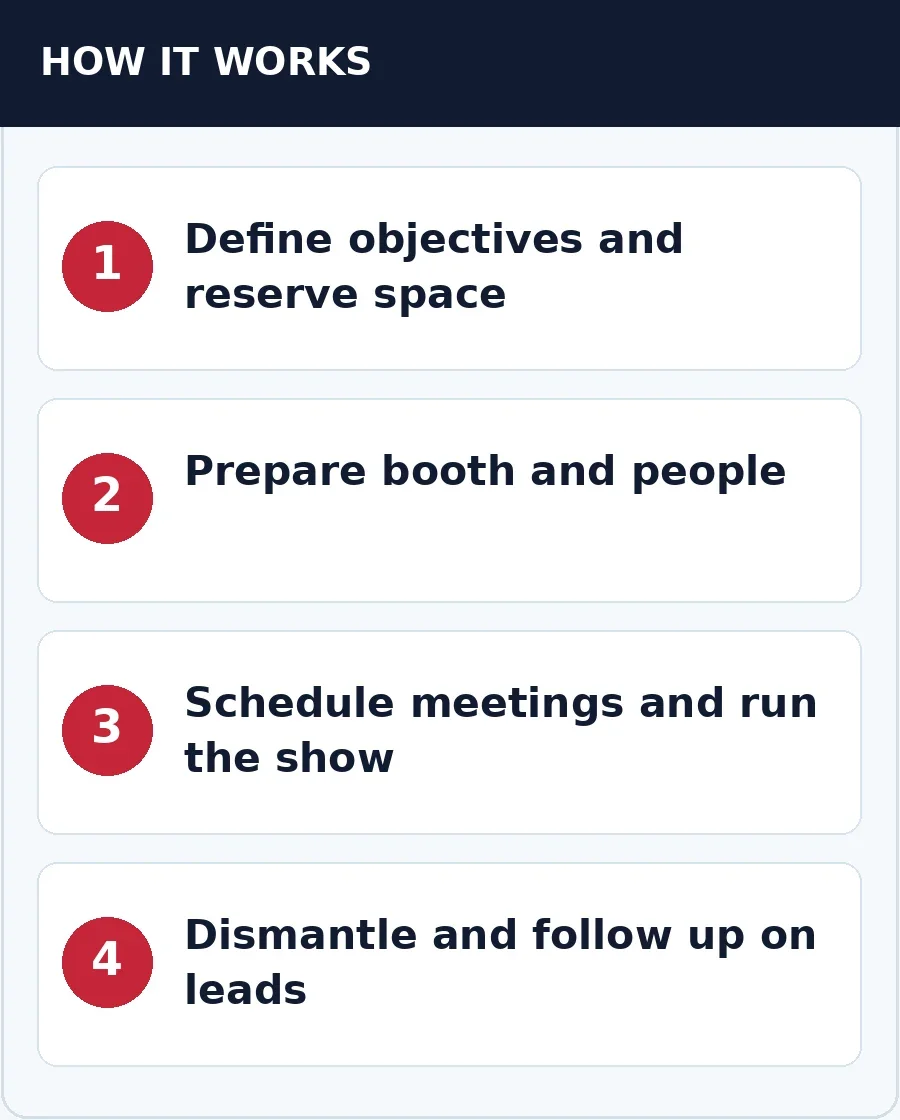
The details most likely to disrupt an exhibition
| Workstream | Check early | What can go wrong |
|---|---|---|
| Exhibition space | Size, location and organiser rules | Poor placement or unsuitable access |
| Stand construction | Designs, power and build timetable | Last-minute changes and delays |
| Samples and equipment | Transport, arrival and permits | Nothing ready to demonstrate |
| Staff and interpreters | Languages, product knowledge and shifts | Valuable enquiries are mishandled |
| Business meetings | Target companies, times and hosts | Many contacts but few real discussions |
Allow time for badges, approved layouts, venue restrictions and the day before opening. These tasks rarely appear in marketing photos, yet they can determine whether the first day runs smoothly.
Better conversations away from a busy stand
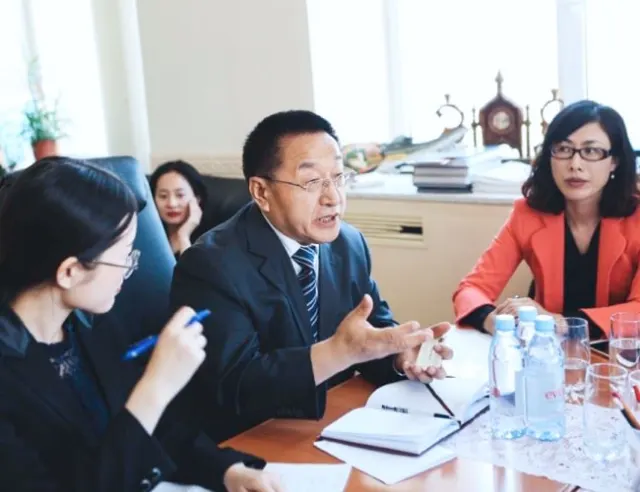
Some discussions need more privacy and time than a crowded exhibition floor allows. The company also organises business breakfasts, coffee meetings, dinners and other opportunities to speak with Chinese partners. A contact made at a stand can become a properly structured conversation in a quieter setting.
Language support is important, but interpreters also need a briefing about the product, target customers and purpose of each appointment. Technical or legal questions may still require a specialist in addition to a translator.
Examples from different industries
The company notes mention coordination of a Russian food pavilion at FHC in 2017, an exhibition in Beijing focused on mining, and an assignment at ChinaJoy involving a large Russian business. The exact ChinaJoy year was not fixed consistently in the notes, so we do not attach an unverified date here.
These examples illustrate a range of assignments rather than guaranteeing any particular number of leads or sales. Industrial equipment, food products and digital services face very different visitor needs.
Measure more than the number of visitors
Stand traffic can look impressive without producing useful commercial conversations. Before the exhibition, decide what counts as a meaningful lead. A visitor who identifies their market, required volume and purchasing timetable provides more useful information than someone who leaves a card without a discussion.
After the event, assign each promising contact an owner and next action: send samples, prepare a technical offer, calculate a price or schedule a factory visit. Different exhibitors will use different measures of success. For a new brand, introductory meetings may matter most; for an established supplier, the priority may be concrete quotations and repeat negotiations.
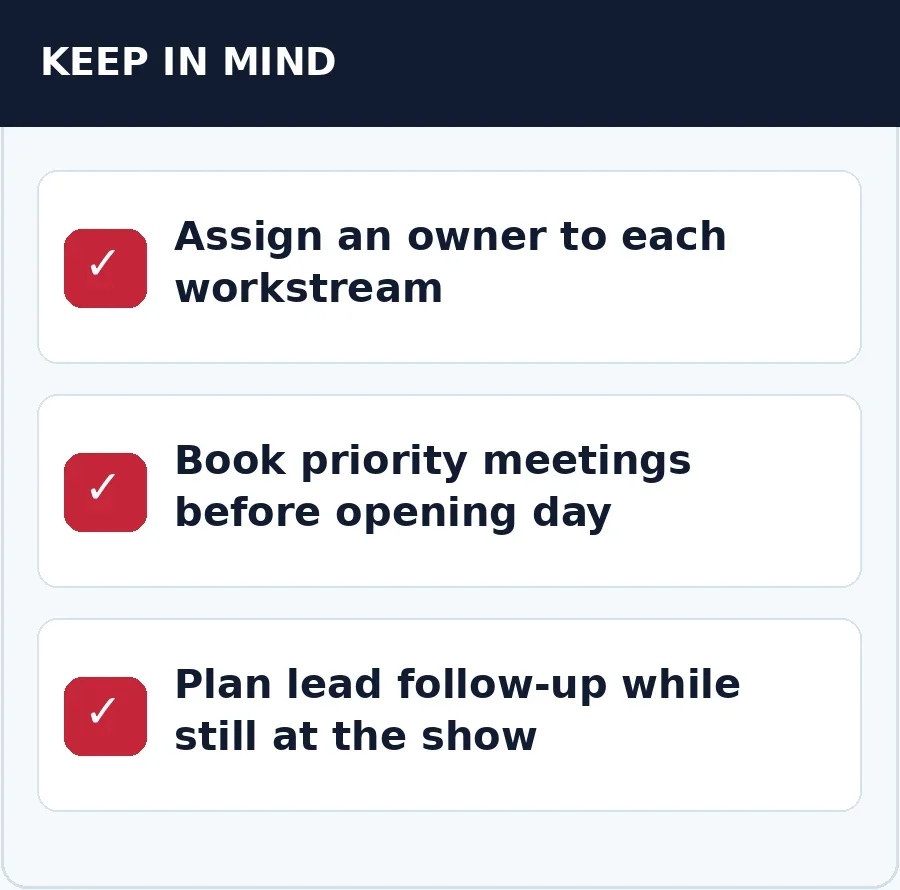
The exhibition is not finished when the stand closes
Sort contacts by priority, record what each person asked for, send quotations and materials and schedule follow-up calls or factory visits. A stack of business cards has limited value if nobody owns the next action.
MYRON TRADE provides turnkey trade-fair organisation in China, interpreters and transport for delegations. Tell us the exhibition, the aim of participation and the expected team size so we can discuss a concrete plan and cost breakdown.


Need help with this topic?
Describe the task in your own words — even if you are not sure which service you need. A manager will clarify the details and suggest how to proceed and what it will cost.
What happens next
- A manager clarifies the detailsin the channel you choose
- We propose a work plan and a quotewith an estimate of cost and timing
- We agree the terms and startcontract with our company in Shanghai