Different company names on a Chinese factory and contract: what to do
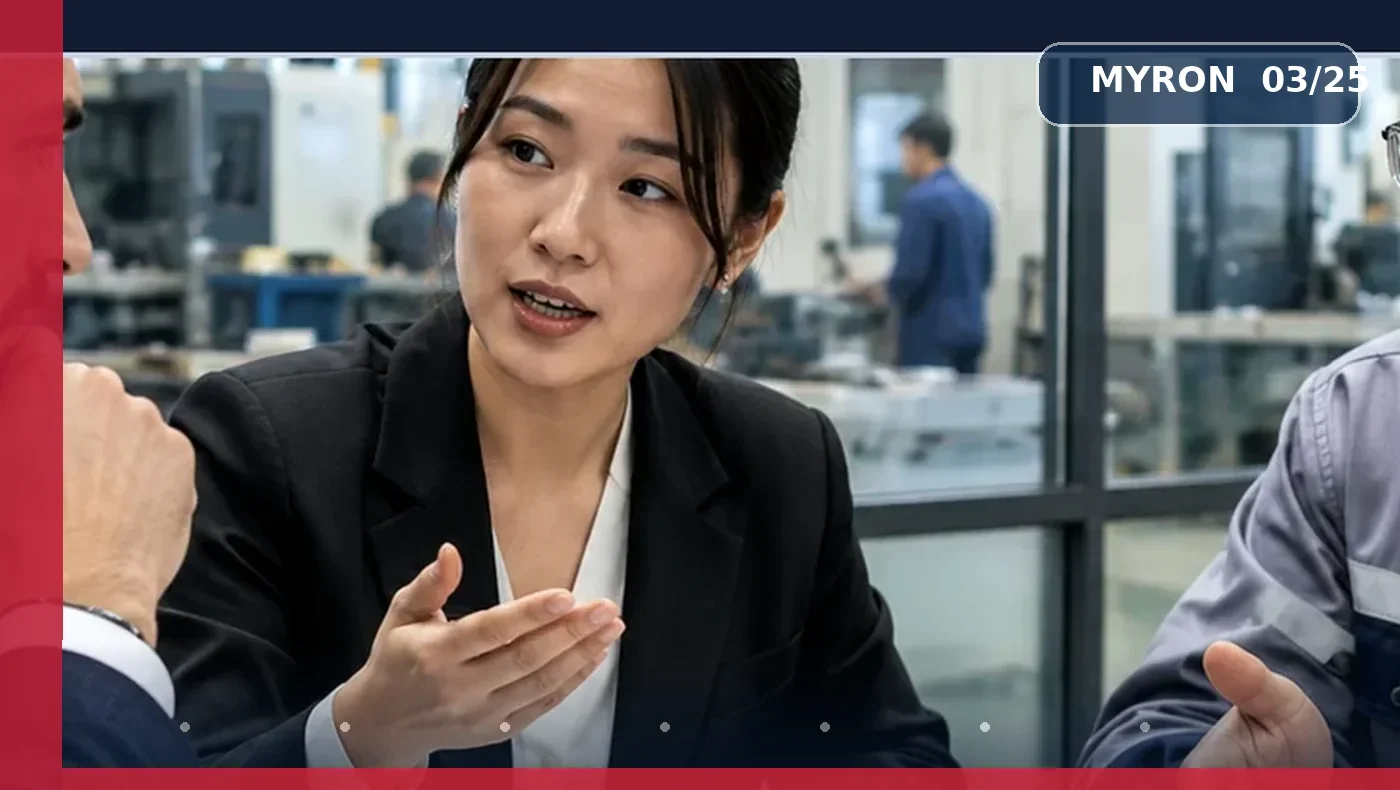
The supplier's quotation carries one company name. At the factory gate, the visitor sees another.
The supplier's quotation carries one company name. At the factory gate, the visitor sees another. Does that mean the deal is fraudulent? Not necessarily, but it is a question that needs a documented answer before the buyer pays a large deposit. MYRON TRADE has encountered this situation during supplier inspections in China.
Understand the role of each company
A trading company may negotiate, assemble orders from several manufacturers, support exports and serve smaller customers. An assembly workshop may purchase components and carry out final assembly, testing and packing. A full-cycle producer performs more operations in-house. None of these models is inherently unacceptable. What matters is whether the buyer knows which model applies and who is responsible for delivery and defects.
Factory photos do not establish ownership of the pictured production line. Some genuine manufacturers also sell through separate exporting entities. The contract, bank beneficiary, production location and person authorised to sign documents should therefore form a consistent, explainable chain.
A situation observed on inspections
MYRON TRADE has visited premises where the manufacturer displayed a different legal name from the company offering the goods. The explanation was that the seller acted as an intermediary for a partner factory. In another typical situation, an inspector who had been promised a factory tour was invited to an office and told the production site was about ninety minutes away. A visit to an office is not evidence that the promised production site was inspected.
The inspector can record the signs, location, equipment made accessible, documents and explanations. If the planned visit changes, the difference belongs in the report. The logical follow-up is to arrange access to the actual manufacturing site and verify its relationship with the seller.
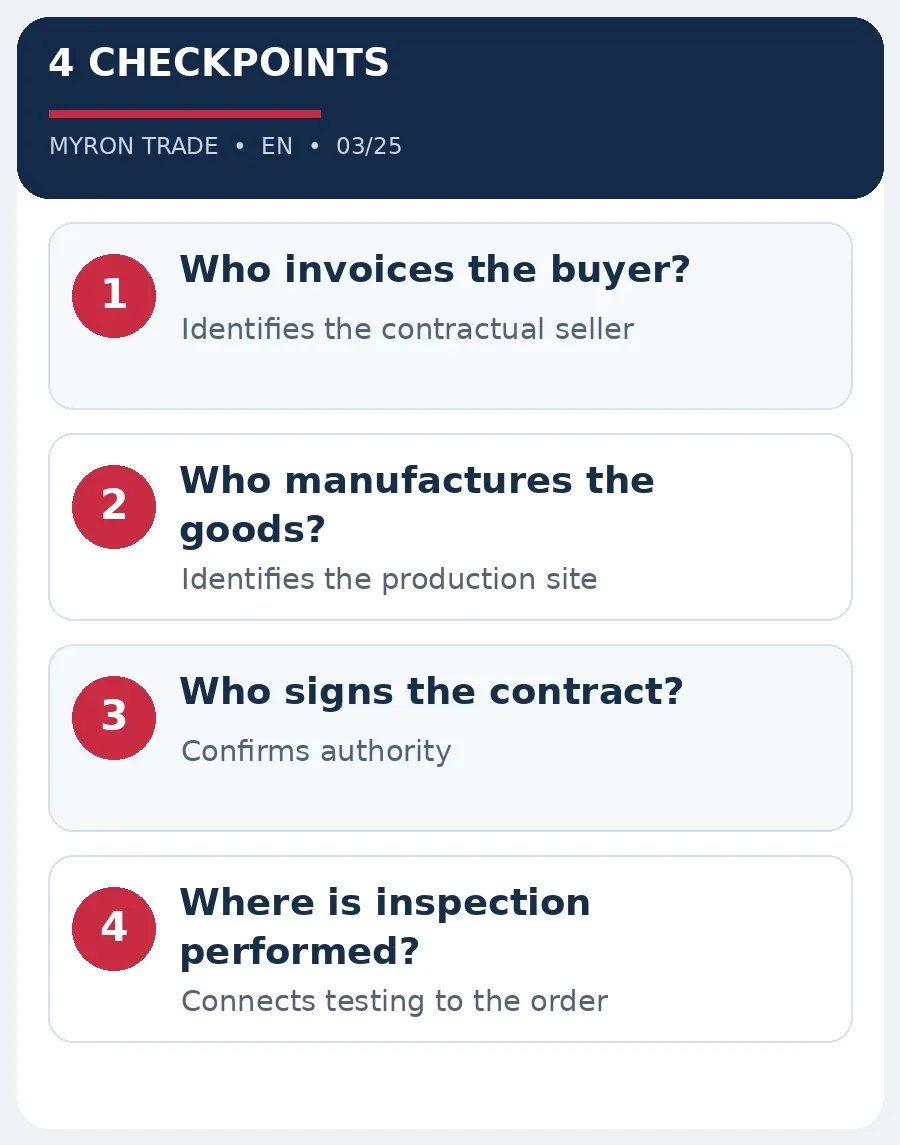
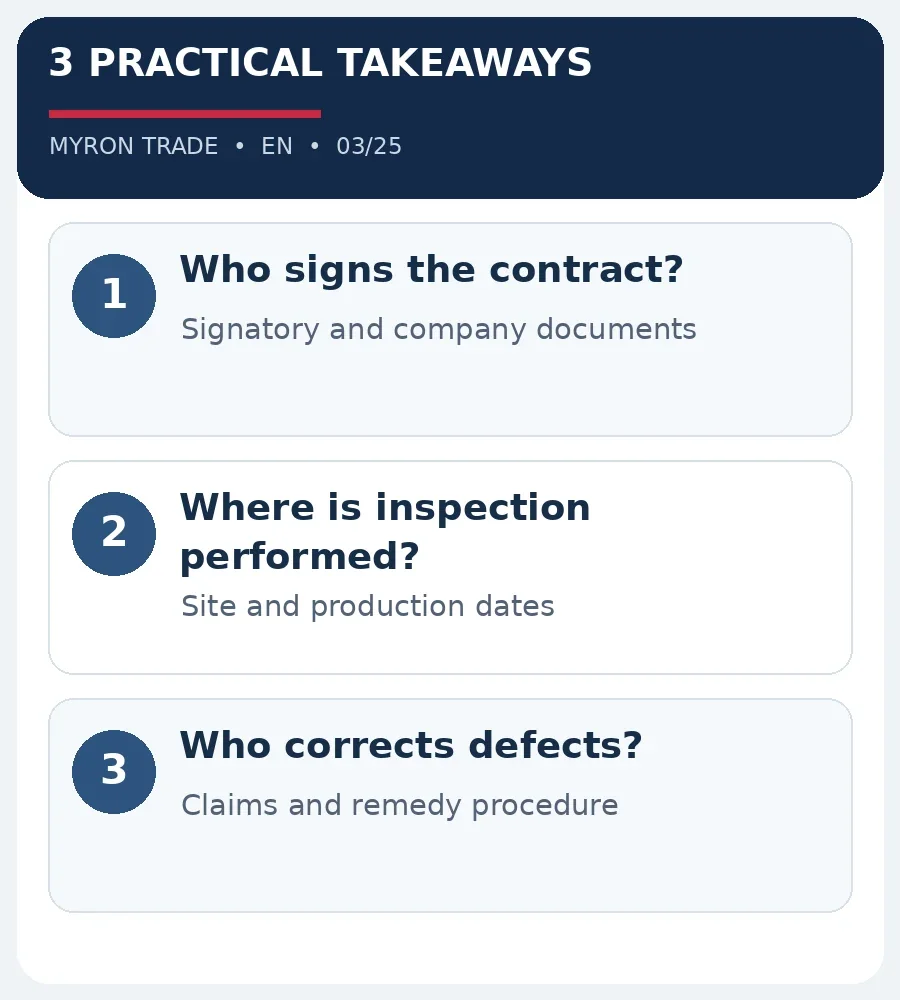
Five questions to put in writing
| Question | Why it matters | Evidence to request |
|---|---|---|
| Who invoices the buyer? | Identifies the contractual seller | Legal name and details |
| Who manufactures the goods? | Identifies the production site | Site address and role |
| Who signs the contract? | Confirms authority | Signatory and company documents |
| Where is inspection performed? | Connects testing to the order | Site and production dates |
| Who corrects defects? | Prevents responsibility gaps | Claims and remedy procedure |
When an intermediary may be useful
A trader may consolidate smaller orders, source several products and arrange export paperwork. Direct factory contracting can provide stronger technical communication for customised manufacturing. Compare the entire service and responsibility package, not the mere number of intermediaries.
If the proposed supplier cannot explain the manufacturing chain, obtain further evidence before payment. MYRON TRADE can organise on-site company verification and inspection of a specific order. The written agreement should match how the goods and money will actually move.
Need help with this topic?
Describe the task in your own words — even if you are not sure which service you need. A manager will clarify the details and suggest how to proceed and what it will cost.
What happens next
- A manager clarifies the detailsin the channel you choose
- We propose a work plan and a quotewith an estimate of cost and timing
- We agree the terms and startcontract with our company in Shanghai