
The Role of Electric Vehicles in China’s Export: How NEVs Change the Global Market and What’s Best for Business
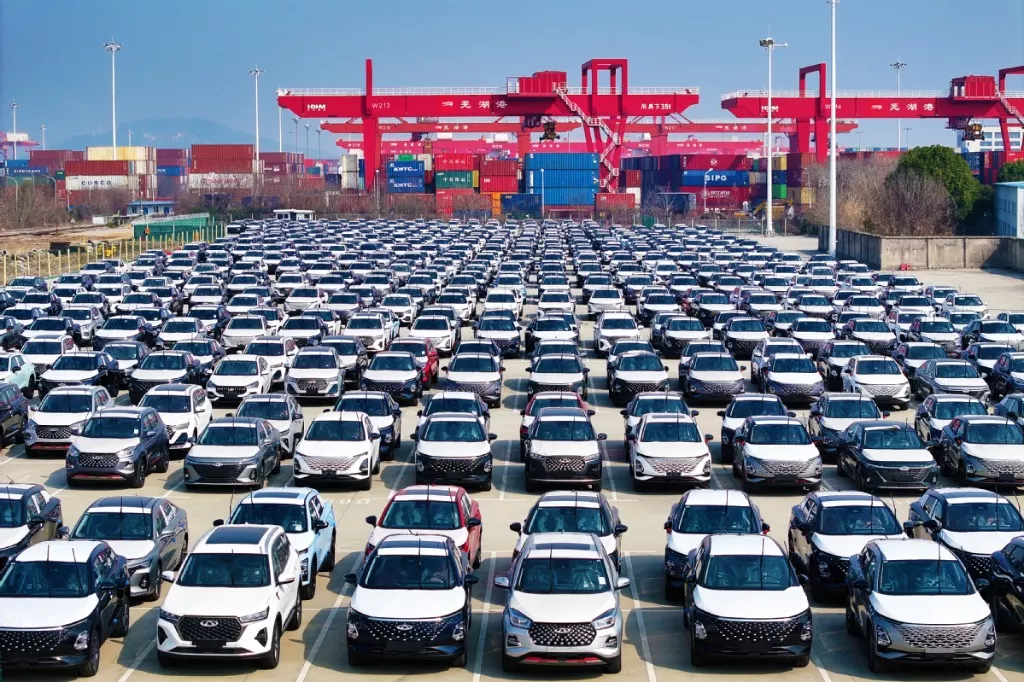
The Role of Electric Vehicles in China’s Export: NEV Trend and How Not to Make the Wrong Choice
New Energy Vehicles (NEVs) — electric cars and plug-in hybrids — have become the strategic core of China’s car exports. Around one in three exported cars is now an EV, and NEV sales keep growing at double-digit rates. In this article we look at the key numbers, regional specifics and, most importantly, how businesses can decide: EV, hybrid or a mixed fleet?
1. What are NEVs and why you can’t talk about Chinese export without them
NEV (New Energy Vehicles) is a broad umbrella that typically includes:
- BEV — battery electric vehicles (pure EVs);
- PHEV — plug-in hybrids that can be charged from the grid;
- FCEV — hydrogen fuel-cell vehicles (still a tiny share of exports).
For the Chinese auto industry, NEVs are no longer a fashionable trend. They are the main growth engine for exports. Through NEVs, China:
- increases its export volumes;
- strengthens its position in key markets — Europe, the Middle East and Africa;
- monetises its advantages in batteries, electronics and mass production.
Ten–fifteen years ago, China was mostly associated with cheap petrol sedans. Today, the main export growth comes from EVs and hybrids.
2. The numbers: how EVs accelerated China’s export
| Metric | Figure | What it means |
|---|---|---|
| Vehicles exported from China (2023) | ≈ 4 million | China is one of the largest car exporters in the world. |
| EVs in total exports (2023) | ≈ 1.2 million | About every third exported car is an EV. |
| NEV sales growth (H1 2025) | ≈ +41 % YoY | NEVs are the main driver of domestic and export growth. |
| Key external market | Europe | Since 2018, roughly half of Chinese EV exports have gone to Europe. |
The story of China’s export is no longer about “cheap petrol”. It is mostly about EVs and hybrids that meet global demand for affordable, high-tech transport.
3. Why NEVs drive China’s export
3.1. Batteries and electronics: China’s built-in advantage
China dominates battery production for EVs and key power electronics components. This gives:
- lower battery costs — and thus lower vehicle cost;
- ability to offer EVs with long range at competitive prices;
- flexible configurations: from compact city EVs to crossovers and sedans optimised for highway use.
On top of that, there is a strong tech base:
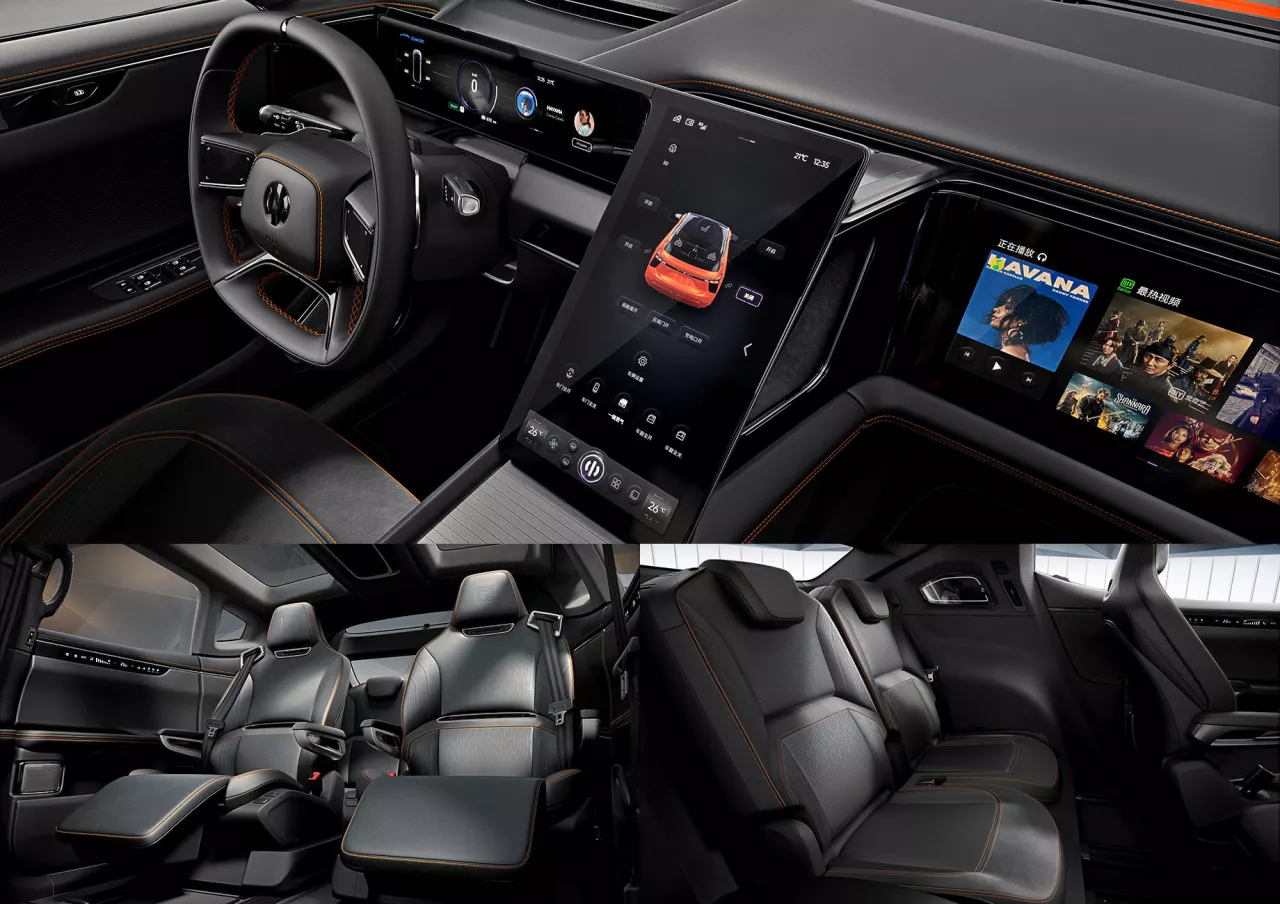
- large multimedia screens and modern UX;
- OTA (over-the-air) software updates;
- advanced driver-assistance systems;
- full digital ecosystems around the car.
3.2. Global electrification trend
Globally, markets are moving towards:
- lower CO₂ emissions and stricter targets;
- tighter rules for new ICE vehicles;
- subsidies and tax incentives for EVs and hybrids;
- expanding charging networks.
States and companies increasingly say: “We need a modern, affordable EV or hybrid, not just a premium EV for €60–80k.”
Chinese manufacturers sit in the middle of this window of opportunity:
- wide model range;
- flexible price segments;
- ability to work with very different markets — from Europe to Africa.
3.3. Cost of ownership: cold hard numbers
In many European and MEA countries:
- fuel is expensive and often getting pricier;
- electricity (night tariffs, solar PV) is relatively cheaper.
Simplified example (Europe):
- EV:
- consumption — 17 kWh/100 km;
- tariff — €0.25/kWh;
- ≈ €4.25 per 100 km.
- Petrol car:
- consumption — 7 l/100 km;
- fuel — €1.8/l;
- ≈ €12.6 per 100 km.
- Hybrid:
- consumption — 5 l/100 km;
- ≈ €9 per 100 km.
The per-kilometre gap is especially important for:
- taxi and ride-hailing fleets;
- delivery and courier services;
- corporate and government fleets.
With high mileage, every extra euro per 100 km turns into tens of thousands of euros over the lifetime of a fleet.
4. Regional look: Europe, Middle East, Africa
4.1. Europe — main external market for Chinese EVs
High fuel prices · Green policy · Charging networks
- High petrol and diesel prices;
- Developed or fast-growing charging infrastructure;
- Environmental policies: ICE restrictions, low-emission zones, fleet targets;
- Demand for affordable but well-equipped EVs.
Europe buys:
- compact city EVs;
- family crossovers;
- electric business sedans.
For daily use in many European cities, a pure EV is often objectively more attractive — both in total cost and access rules.


Need help with this topic?
Describe the task in your own words — even if you are not sure which service you need. A manager will clarify the details and suggest how to proceed and what it will cost.
What happens next
- A manager clarifies the detailsin the channel you choose
- We propose a work plan and a quotewith an estimate of cost and timing
- We agree the terms and startcontract with our company in Shanghai
