
How to Ship a Car from China to Your City: Main Hubs, Routes & Last-Mile Delivery
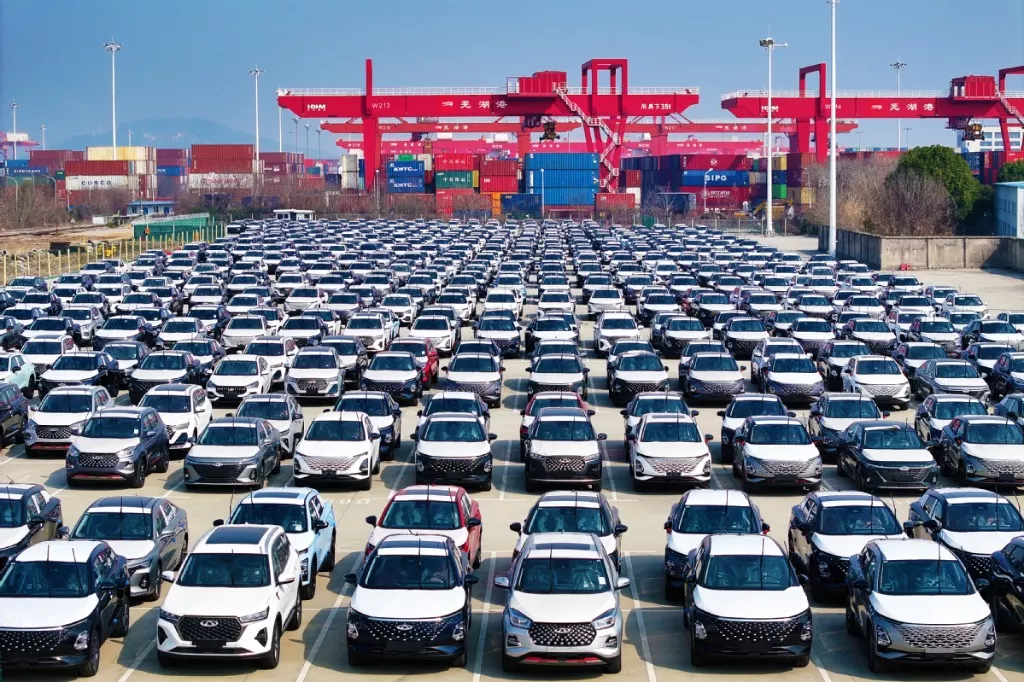
Most offers you see online say “delivery from China to port X” or “to the capital city only”. But real life is different: you need the car in your city, not just at some distant hub. Let’s break down how routes from China work and how to decide where it is smarter to clear customs and receive the car.
This article is not a sales pitch, but a logistics explainer. Our goal is to show why prices are calculated to big hubs, how to move the car further, and in which cases it’s easier and cheaper to handle everything in your home region.
1. The basic route: from China to hub, from hub to your city
In simplified form, most shipments look like this:
- Within China – the car is moved from the seller to a Chinese border point or port;
- China → main hub – by sea (Ro-Ro or container), rail or truck to a major hub in your region;
- Hub → your city – local truck, car carrier, rail or driving the car by road.
Commercial offers usually show only steps 1–2: “China → main European port”, “China → Gulf port”, “China → capital city”. Everything beyond that is calculated case by case, which is why you rarely see it in standard price lists.
2. Why quotes are usually to large ports and capitals
The main reason is volume. Most vehicles go to large logistics hubs:
- major seaports (for example in Europe, the Middle East, Africa or Latin America);
- capital cities and large inland logistics centres;
- established rail and truck corridors where carriers always have enough cargo.
This creates several advantages:
- car carriers, vessels and trains leave these hubs regularly and run fully loaded;
- the price per vehicle is lower because costs are shared between many cars;
- customs brokers and terminal staff in hubs know the procedures very well, so clearance is faster.
For smaller cities and remote areas, carriers often have to wait to fill the truck, or charge more per vehicle. It’s not unusual to see that shipping to a main port is 30–50% cheaper per car than to a small inland city.
3. Big hub vs home city: pros and cons
In reality you choose between two main options:
| Scenario | Advantages | Disadvantages |
|---|---|---|
| Customs clearance and pick-up at a main hub (port or capital) |
| |
| Customs clearance and delivery directly to your region |
|
4. From hub to your city: typical options
Once the car reaches the main hub in your region, you usually have three choices:
1. Local car carrier (truck)
- the standard solution for most inland cities;
- the car is loaded onto a multi-car transporter;
- price depends on distance, demand and fuel costs.
2. Rail + short-haul truck
- useful when there is a strong rail connection closer to your region;
- the car travels by train, then by local carrier to your city;
- can be cost-effective for long distances.
3. Drive the car yourself
- you travel to the hub, pick up the car and drive it home;
- you need temporary insurance and all release documents in order;
- good option if you enjoy road trips and want to check the car personally.


Need help with this topic?
Describe the task in your own words — even if you are not sure which service you need. A manager will clarify the details and suggest how to proceed and what it will cost.
What happens next
- A manager clarifies the detailsin the channel you choose
- We propose a work plan and a quotewith an estimate of cost and timing
- We agree the terms and startcontract with our company in Shanghai
